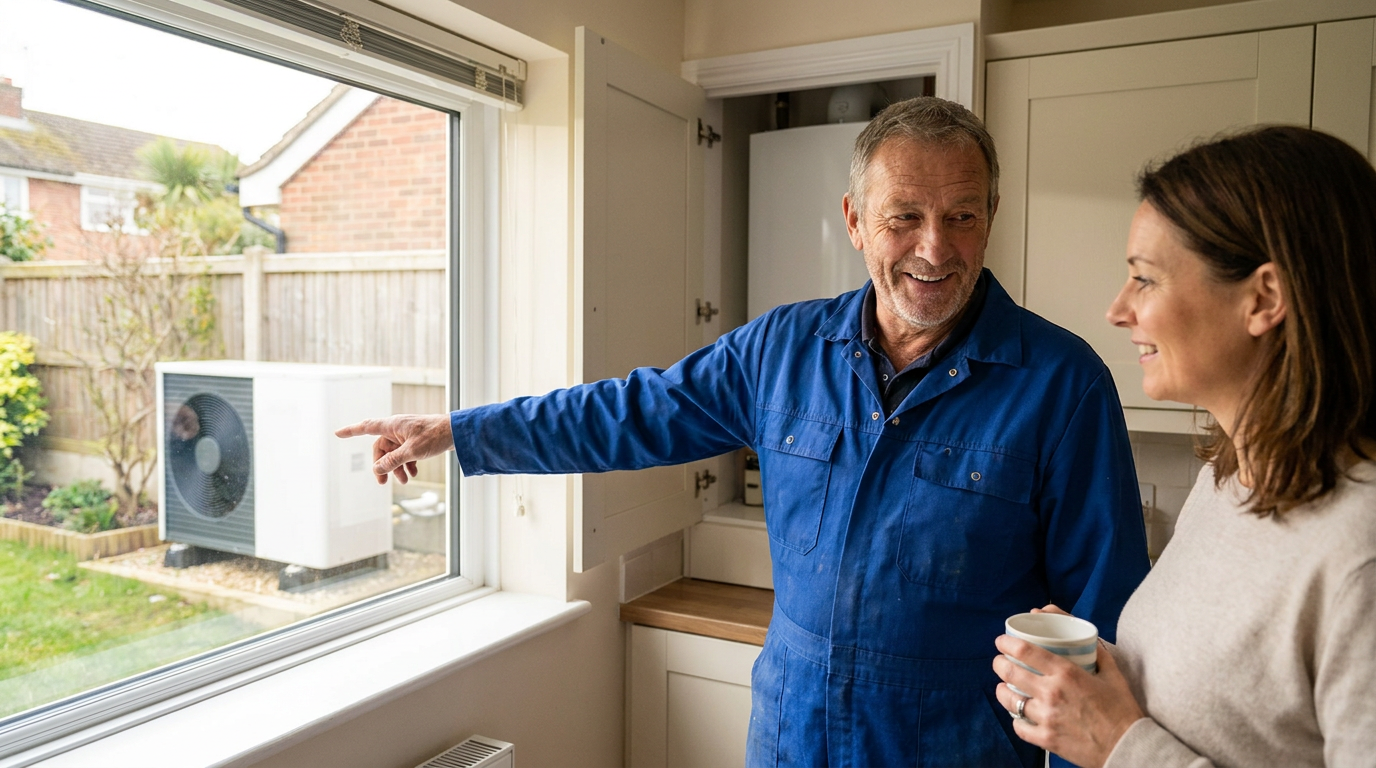
Choosing the heating industry
Thinking about becoming a gas engineer? Here’s an honest look at the training, responsibility, day-to-day work and rewards of joining the heating industry.
How to Become a Gas Engineer: The Positives and Negatives
If you’re thinking about becoming a gas engineer, it can be a great career—but it isn’t an easy way to make quick money.
I’ve worked in the plumbing and heating industry since 1998 and have seen it change considerably. Boilers are more advanced, regulations are tighter and customers expect a more professional service. However, there is still strong demand for skilled, reliable heating engineers.
Here is my honest view of getting into the industry, including both the positives and the negatives.
How do you become a gas engineer?
The usual route is to complete recognised gas training and gain practical experience under the supervision of a qualified engineer. You will need to build a portfolio of real work and pass the relevant assessments for the types of gas appliances you intend to work on.
Once qualified, you must join the Gas Safe Register before carrying out gas work legally. Being qualified does not automatically allow you to work on every appliance. Your Gas Safe ID card lists the specific categories of work you are competent to undertake.
A college course or training centre can teach you the technical side, but practical experience is just as important. Fault-finding, pipework and dealing with different heating systems are skills that develop over time.
If possible, try to work alongside an experienced engineer. You will learn things on real jobs that cannot be fully recreated in a classroom.
The positives of becoming a gas engineer
There is regular demand
People will always need heating and hot water. Boilers require servicing, older systems develop faults and eventually every boiler needs replacing.
A good local gas engineer who turns up on time, communicates clearly and completes work properly can build a loyal customer base.
The work is varied
One day you might be servicing a boiler and the next you could be tracing a difficult heating fault or installing a complete new system.
The industry is also moving towards low-temperature heating and renewable technologies such as air source heat pumps. Engineers who continue learning should have plenty of opportunities.
You can work for yourself
After gaining enough experience, you may decide to start your own plumbing and heating business.
Self-employment gives you more control over your workload, prices and the type of jobs you accept. Building a respected local business can be extremely rewarding, although it also brings extra responsibility.
It can be satisfying work
Restoring someone’s heating in the middle of winter gives you a real sense of achievement. You are solving practical problems and providing a service that genuinely matters to people.
It is also satisfying to look back at a neatly installed heating system and know that you completed it properly.
The negatives of becoming a gas engineer
Training takes time
A short course does not make someone an experienced gas engineer. Becoming competent takes proper training, supervised work and continued practice.
Be wary of anyone promising a highly paid new career after only a few weeks of training.
There is a lot of responsibility
Gas work must be treated seriously. Mistakes can put people and property at risk, so engineers must follow current regulations, manufacturer instructions and safe working procedures.
You also need suitable insurance, calibrated equipment and ongoing training. Qualifications and Gas Safe registration must be kept up to date.
The work can be physically demanding
The job involves lifting boilers and cylinders, working in lofts, kneeling beneath appliances and sometimes spending hours in cold or dirty conditions.
As you get older, looking after your back, knees and general fitness becomes increasingly important.
Customers do not see all the costs
A customer may only see the time spent inside their property. They do not always see travelling, quoting, ordering materials, completing paperwork, maintaining a van, buying tools or dealing with calls after work.
Being self-employed also means there is no automatic holiday pay or sick pay. If you are not working, you may not be earning.
Some days are stressful
Not every boiler fault is straightforward. Parts can be unavailable, previous work may have been completed poorly and emergency jobs rarely happen at convenient times.
You also need patience and good communication skills. Being technically capable is only part of running a successful heating business.
Is becoming a gas engineer worth it?
For the right person, yes.
It suits someone practical who enjoys solving problems, working with people and continually learning. It can provide a good living and the opportunity to build your own business.
However, it requires commitment. Take the training seriously, gain as much supervised experience as possible and do not rush into working alone before you are ready.
The best engineers are not necessarily the quickest. They are the ones who work safely, diagnose problems properly and take pride in leaving every job as they would want it left in their own home.
Dales Boiler Services has provided professional plumbing, boiler and heating services in Brighton and Hove for many years. Our experience covers boiler servicing, repairs, installations and modern heating systems.