
Lower bills, warmer home, smarter heating.
Practical, honest energy efficiency advice from family-run Gas Safe engineers with over 25 years' experience helping Brighton & Hove homeowners cut heating costs and improve comfort.
*Energy Saving Trust estimate, average UK 4-bed home on mains gas.
Why energy efficiency matters more than ever
With energy prices at historic highs and the UK moving toward net-zero, a more efficient heating system is one of the highest-return improvements you can make to your home.
UK gas prices have roughly doubled in the last five years. Even modest efficiency gains translate into hundreds of pounds saved every year.
A well-tuned system uses less gas to deliver the same warmth — cutting monthly bills without changing your daily comfort.
Efficient heating means even temperatures room-to-room, no cold spots, and rooms that stay warm long after the boiler stops firing.
Every kWh you don't burn is carbon your home doesn't emit. Efficiency is the fastest, cheapest way to shrink your household footprint.
A boiler running in its sweet spot is quieter, more reliable and less likely to lock out on cold winter mornings.
Systems that aren't stressed with sludge, poor controls or oversized boilers routinely last 5–10 years longer than neglected ones.
Efficient boilers explained
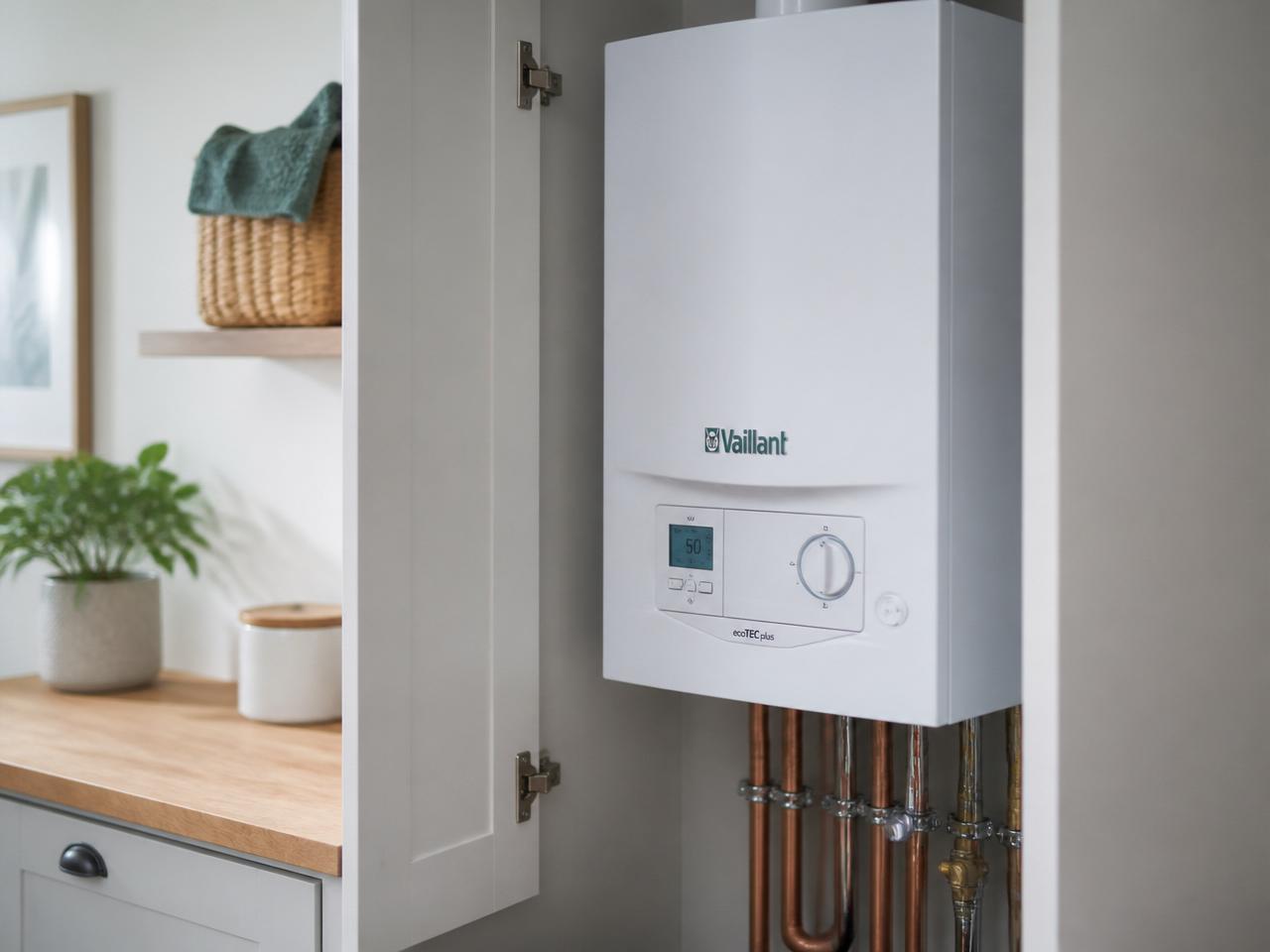
Since 2005 every new UK boiler has been a high-efficiency condensing model, recovering heat from flue gases that older boilers wasted straight out of the wall. Combined with correct sizing and good controls, a modern A-rated boiler can run at 92–94% efficiency for well over a decade.
Modern A-rated condensing boilers turn almost every unit of gas into useful heat. A 20-year-old boiler is often 60–70% efficient.
An oversized boiler short-cycles and wastes gas. We size to your bedrooms, bathrooms and heat demand — never to sell you the biggest unit.
The best boilers modulate down to around 3kW, matching a mild spring day instead of running at full output all the time.

Smart heating controls & schedules
Your boiler is only as clever as what tells it when to switch on. A good thermostat and a well-set schedule are where most homes make the biggest efficiency gains — for the smallest outlay.
Heating a house you're not in is the biggest waste in most UK homes. A 7-day timer with morning and evening slots is essential.
Wi-Fi controls learn your routine, sense when you're out and let you adjust from your phone. Typical saving 8–12%.
OpenTherm-enabled controls let the boiler and thermostat talk directly, ramping down the flame as the room approaches temperature.
TRVs, balancing & radiator performance
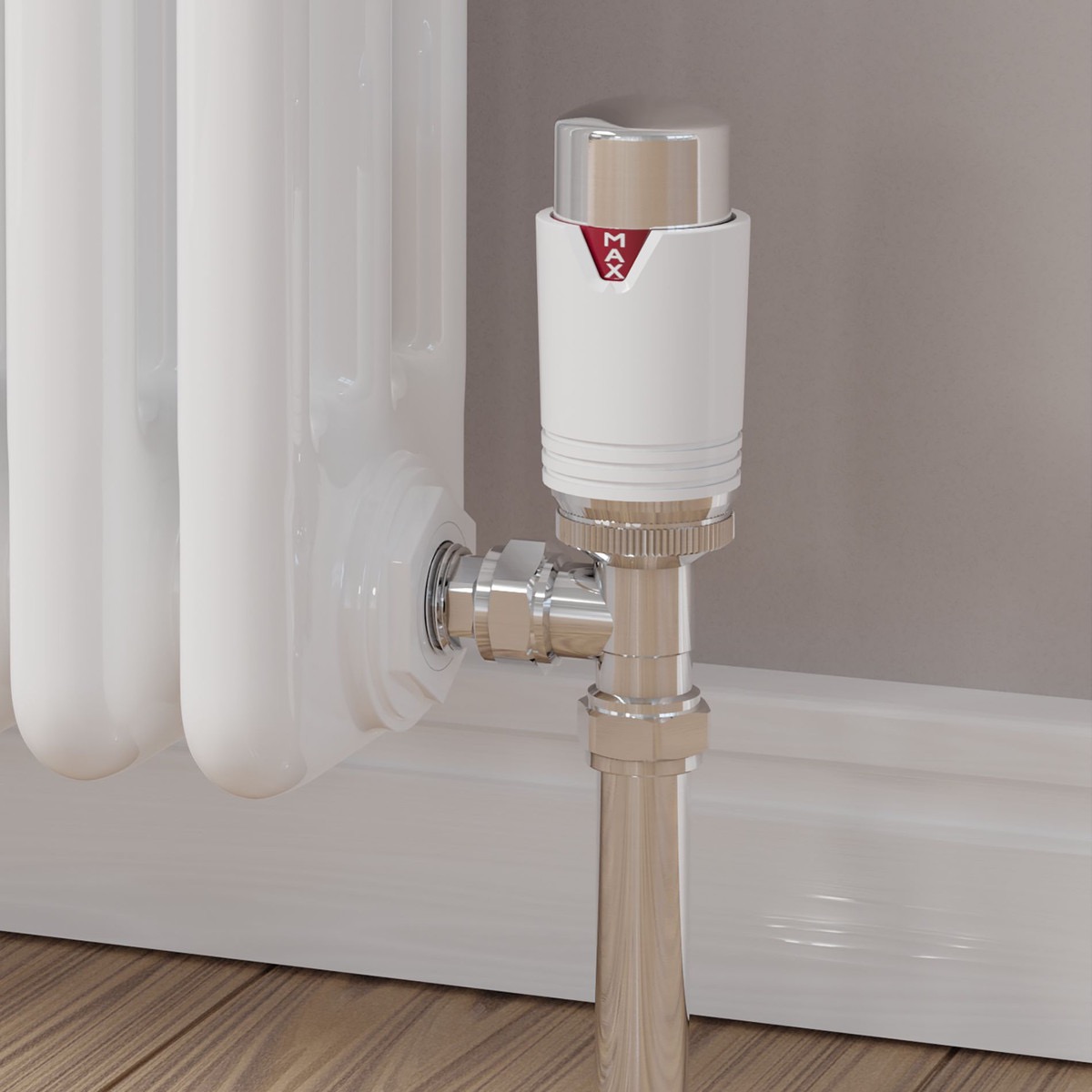
Even the smartest thermostat can only measure one room. TRVs give every radiator its own thermostat so bedrooms stay cool, living rooms stay cosy and no room is heated more than it needs.
Set each radiator between 1 and 5 for the ideal room temperature. Fitting TRVs typically saves £75–£150 a year in most homes.
A balanced system heats every radiator evenly. Unbalanced systems have some scorching, others cold — wasting gas and driving thermostats up.
Sludge insulates a radiator like a jumper. A professional powerflush restores heat transfer and can recover up to 10% of your gas usage.
Practical ways to improve heating efficiency
Some are simple weekend jobs. Others are professional installations that pay for themselves within a few winters. Every one is proven to make a real difference in a typical UK home.
Keeps your boiler running at peak efficiency, catches minor faults early and protects your manufacturer's warranty. Typically maintains 5–10% better efficiency than an unserviced boiler.
Modern boilers run at 92–94% efficiency vs. 60–70% for pre-2005 models. Replacing an old G-rated boiler saves around £340/year on gas (Energy Saving Trust).
Hive, Nest and tado° learn your routines, sense when you're out and let you adjust heating from your phone. Typical bill reduction: 8–12%.
Set a different temperature in every room — cool bedrooms, cosy living areas. Fitting TRVs saves £75–£150/year in most homes.
Clears iron-oxide sludge that insulates radiators and restricts flow. Can recover up to 10% efficiency on older or contaminated systems.
A MagnaClean-style filter traps sludge before it reaches the boiler's heat exchanger, protecting efficiency for years and reducing breakdown risk.
A programmable timer with morning and evening slots — plus a good room thermostat — is the biggest efficiency win for the smallest cost.
£15 of foam lagging on exposed pipework in lofts, garages or airing cupboards stops heat leaking away before it reaches your rooms.
Up to 25% of a home's heat escapes through an uninsulated roof. Topping loft insulation to 270mm is one of the highest-return improvements you can make.
A balanced system delivers even flow to every radiator so no room is over- or under-heated. Reduces boiler cycling and wasted gas.
Is your boiler costing you money?
An ageing or badly-tuned boiler can quietly add hundreds of pounds a year to your gas bill. If any of these signs sound familiar, it's worth booking an efficiency assessment.
Repeat callouts, lockouts and pressure drops usually mean an ageing system fighting sludge, worn parts or a boiler at the end of its life.
If your house takes far longer to warm up than it used to, water flow is restricted and your boiler is burning more gas to deliver less heat.
Some rooms boiling, others barely warm — a classic sign of poor balancing, TRV problems or sludge diverting flow.
Bills creeping up without a change in habits or occupancy is often the first warning that your boiler is running well below its rated efficiency.
Banging, kettling or gurgling from the boiler is nearly always caused by sludge, limescale or components under stress.
If your boiler predates 2005 and doesn't have a plastic condensate pipe, it's likely non-condensing — losing 20–30% of every unit of gas up the flue.
Our honest advice: a service resolves most efficiency problems on boilers under 10 years old. Older systems often benefit more from a full replacement — we'll look at the numbers with you and only recommend a new boiler if it genuinely pays back. Explore your options for a boiler service, repair or new installation.
Modern controls that pay for themselves
The right controls do more than replace an old dial — they cut waste, improve comfort and put your heating firmly on your side.
Wi-Fi thermostats replace a basic wall dial with an app-controlled hub — Hive, Nest, tado° and Drayton Wiser are the most popular options in UK homes.
Set different temperatures for morning, day, evening and night — and different schedules for weekdays and weekends. The heating simply follows your life.
Split your home into zones (upstairs / downstairs, or room-by-room with smart TRVs) so you only heat the areas you're actually using.
Turn the heating up on the way home from work, or off when you head away for the weekend — all from your phone, wherever you are.
Consistent temperatures, no more waiting for a cold house to warm up, and the ability to fine-tune each room to how you actually live.
Geofencing, occupancy sensing and learning algorithms make sure your boiler only fires when it needs to — cutting typical bills by 8–12%.
Turn your flow temperature down.
Most combi boilers leave the factory set to 75–80°C. At that temperature, the return water is too hot for the boiler to condense — meaning you paid for a modern high-efficiency boiler and it's running like a 1990s one.
Turn the central-heating flow temperature down to around 55–60°C and the boiler will condense properly. Radiators take a little longer to reach heat but stay warm longer, and gas usage drops by 6–8%. Leave the hot-water setting alone.
Six things you can do this weekend
Small, free (or almost free) changes that add up to a warmer, cheaper home — no new boiler required.
Air pockets stop hot water reaching the top of the radiator. Bleed once a year for full performance.
A sofa in front of a radiator absorbs the heat and blocks it from circulating. Keep 15cm clear.
£15 of foam lagging on loft or garage pipes stops heat leaking before it reaches your rooms.
A well-serviced boiler runs 5–10% more efficiently than a neglected one and lasts years longer.
A MagnaClean filter traps sludge and iron oxide, protecting the heat exchanger and keeping efficiency high.
An outdoor sensor lets the boiler adjust flow temp automatically as the weather changes.
Trusted heating advisers, not just installers
For over 25 years we've been the heating engineers Brighton and Hove homeowners come back to — because our advice is genuinely on your side.
Family-run and local since 1998 — trusted by thousands of Brighton & Hove homeowners with their heating.
Every engineer is on the Gas Safe register, the legally required qualification for gas work in the UK.
We recommend what genuinely helps — not the biggest boiler or the flashiest kit. If you don't need it, we'll tell you.
From flow-temp optimisation to full system redesigns, we specialise in getting the most heat from every unit of gas.
Neat pipework, tidy commissioning and full manufacturer registration on every install — the job done properly.
Same-year reminders, punctual appointments and a written report on every service so you know your system inside out.
£2M public liability cover on every job, for total peace of mind.
Careful, methodical and protective of your home — the way heating engineers used to work, and how we still do.

Want to save on gas bills? Ask Dale how to get the most from your heating.
Honest efficiency advice — from an installer with nothing to hide.
There's a lot of jargon in the heating world, and plenty of installers who use it to sell bigger boilers and shinier kit than you actually need. That's not us. We've been fitting and looking after heating systems across Brighton and Hove since 1998, and our advice hasn't changed in 25 years: pick the right size boiler, spend the money on good controls, and look after the system with an annual service.
Do those three things and a modern gas boiler will run at 92%+ efficiency for a decade or more — quietly saving you money every single day. If a heat pump or hybrid system fits your home better, we'll tell you that too.
Frequently asked questions
How can I reduce my heating bills?
The biggest wins usually come from three things: fitting good heating controls (a smart thermostat plus TRVs on every radiator), servicing your boiler annually so it runs at peak efficiency, and turning the central-heating flow temperature down to around 55–60°C so a modern condensing boiler can actually condense. Combined, those steps typically save UK homeowners 15–25% on gas — with no loss of comfort.
Is a new boiler more energy efficient?
Almost always, yes — if your current boiler is more than 10–15 years old. Every new gas boiler sold in the UK is an A-rated condensing boiler running at 92–94% efficiency, compared to 60–70% for a typical non-condensing model from the early 2000s. Replacing an old G-rated boiler with a modern A-rated one saves the average UK home around £340 per year on gas bills (Energy Saving Trust).
Does servicing improve efficiency?
Yes. An annual boiler service keeps the burner clean, the flue clear and the pressure correct, which typically maintains 5–10% better efficiency than a neglected boiler. Servicing also spots small problems — sludge build-up, worn seals, sticking valves — before they become expensive breakdowns, and keeps your manufacturer's warranty valid.
What temperature should I set my thermostat?
The Energy Saving Trust recommends 18–21°C for living rooms, and 16–18°C for bedrooms. Turning your thermostat down by just 1°C typically reduces heating bills by around 10%. Combined with TRVs, most homes find the ideal balance is 19°C in living areas with lower settings in unused rooms.
Are smart thermostats worth it?
For most homeowners, yes. Independent trials show smart thermostats like Hive, Nest and tado° typically cut heating bills by 8–12% through geofencing, learning routines and letting you adjust heating remotely from your phone. The savings usually cover the installation cost within 1–2 years, and the ongoing comfort benefits are significant.
Will a powerflush improve efficiency?
If your system has sludge build-up — signs include cold spots at the bottom of radiators, noisy pipework, or a boiler that's slow to heat up — then yes. A professional powerflush can restore up to 10% of your heating efficiency by clearing iron-oxide deposits that insulate radiators and restrict flow. It's especially recommended before installing a new boiler.
How can I make my radiators heat up faster?
Start with the basics: bleed each radiator to release trapped air, check the TRVs are open, and make sure furniture isn't blocking heat output. If radiators are hot at the top but cold at the bottom, sludge is the likely culprit — a powerflush will resolve it. Balancing the system so every radiator receives even flow also makes a noticeable difference to warm-up times.
What's the most energy-efficient way to heat my home?
For most UK homes on the mains gas network, a modern A-rated combi or system boiler paired with a smart thermostat, TRVs on every radiator and proper insulation remains the most cost-effective option. Longer-term, air-source heat pumps run at 300–400% efficiency (they move heat rather than burn fuel) and are the most efficient technology available — we'll always give honest advice about whether they suit your home.
Ready to reduce your heating bills?
Book a heating efficiency assessment, arrange your annual service, or request a fixed-price quote for a new boiler. Honest, professional advice from Gas Safe engineers with 25+ years' local experience.